
HR in a disordered world: IES Perspectives on HR 2015
IES presents its annual Perspectives on HR publication, in which IES researchers and consultants offer their insights into the challenges of today's turbulent world for the HR function.
Stephen Bevan introduces some potential areas of future research for IES and for the HR community as a whole. He cites five possible areas of study for research projects and invites readers to get involved with their thoughts on the future of HR thinking and practice.
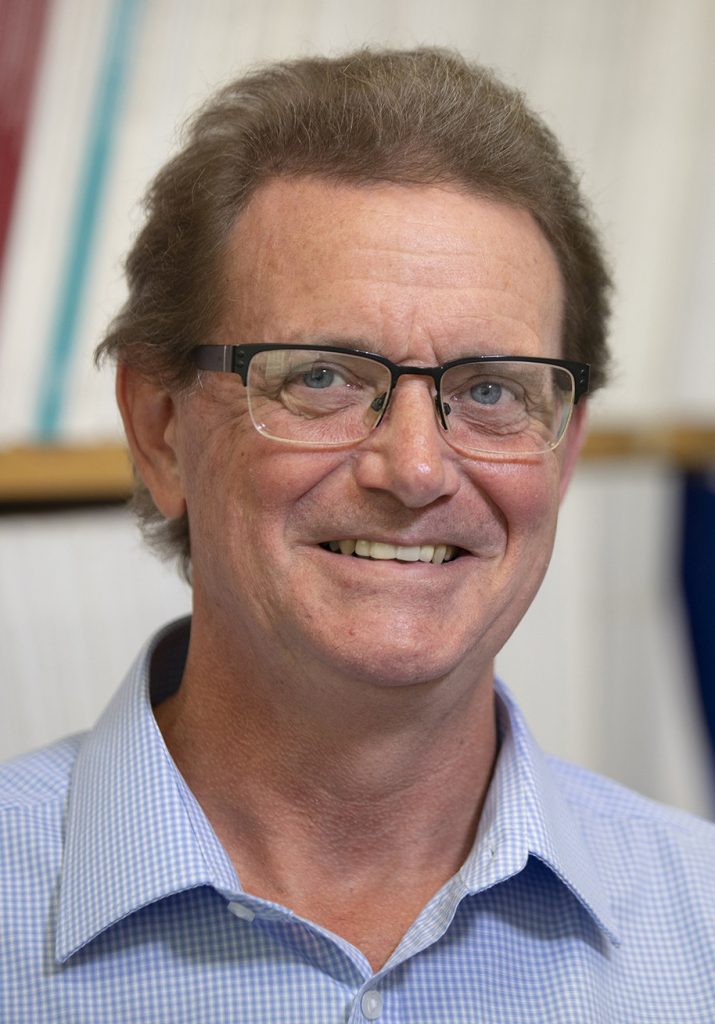 Stephen Bevan, Head of HR Research Development
The challenges of managing people effectively are eternal and dynamic. Just when you think things have settled down, become comfortingly predictable, or gone back to ‘normal’, something shows up to disrupt and surprise you. Too often the ‘people management’ consequences of these disruptions are poorly anticipated and managed. Culture, attitudes, skills, structures and organisational politics can all conspire to slow down or to sabotage our ability to adapt and change during periods of turbulence and uncertainty.
For managers and HR professionals, managing the resulting ambiguity is now a normal feature of their work. For those of us lucky enough to be conducting research in this field, it represents fertile ground for monitoring, analysing and commenting on trends; for capturing evidence about ‘what works’; for highlighting and advising on innovation; and for forecasting what might come next.
As Head of HR Research Development, part of my returning role at IES is to be what might be called the ‘grit in the oyster’. To prod, poke and interrogate the latest HR thinking and evidence and to come up with ideas and research themes which employers in all sectors and both in the UK and beyond will find both provocative and engaging. We’ll also be seeking to bring together employers who would like to contribute to and participate in some of our new projects.
Over the next few months I will be working with my colleagues and our exceptional members, Associates and Honorary Fellows to highlight some of the most pressing and challenging gaps in the evidence and research questions that need to be addressed in the next decade. We will also be looking to collaborate with other research institutions where we have complementary strengths.
So what kinds of issues will we look into? Well, we are open to ideas, of course, but our initial thinking has A New Focus on HRM ‘Thought Leadership’ at IES identified a number of early themes:
Most HR professionals seem to agree that so much is now expected of Performance Management that its chances of delivering anything meaningful or sustainable are virtually zero. We think more emphasis on the line manager role in coaching and monitoring performance, and less emphasis on rewards and punitive approaches may be interesting terrain to conduct some applied research.
IES already has an enviable record in the field of mental health, resilience and mindfulness in the workplace and we think that there is much more to be done to identify what makes for a psychologically-healthy workplaces and, most important, which interventions make the most difference.
We need to move past an approach to managing workforce diversity which just counts the proportion of women or other disadvantaged groups at certain job levels. We are interested in looking at how we can really understand how to close the gender pay gap, or challenge the stubborn unwritten rules of occupational segregation, or undermine the unconscious bias against those with so-called ‘protected characteristics’.
Digital and mobile technology has already transformed many workplace practices and job roles. Yet this technology arguably does as much to constrain our options and autonomy as it does to open up new ways of working and enriching our working lives. We are interested in how the liberating potential of technology can be exploited more systematically and what cultural, managerial and organisational barriers need to be overcome to do this well.
When do precarious work contracts which offload the risks of employment from the employer become flexible employment contracts which suit the needs of the employee? With close to ‘full’ employment, why is the use of zero-hour contracts still growing? Clearly labour flexibility is more complex than it first seems – we are interested in this changing landscape.
These are very early thoughts, and there are many others in development, but my job is to gauge, through dialogue both inside and outside IES, which of these and other topics are the most engaging and urgent to address.
If you would like to get involved in this process, please get in touch with me. I’m looking forward to having many conversations over the next few months and to launching some new research initiatives both before and after the summer break. Please join in!
Any views expressed are those of the author and not necessarily those of the Institute as a whole.
IES presents its annual Perspectives on HR publication, in which IES researchers and consultants offer their insights into the challenges of today's turbulent world for the HR function.
As organisations continue to try to achieve more with less, develop leaner systems and greater efficiency, the toll it takes on employees’ mental and physical health has climbed the agenda. Increased presenteeism – employees who attend work whilst ill – is one possible outcome of the pressure on organisations to remain competitive and boost productivity. This report is based on an overview of research and current thinking in the field.
Stephen Bevan introduces some potential areas of future research for IES and for the HR community as a whole. He cites five possible areas of study for research projects and invites readers to get involved with their thoughts on the future of HR thinking and practice.
Mindfulness has been around for more than 2,500 years, with roots in Buddhist teachings amongst others, although there is a tradition of contemplation in all the major religions. However, recent years have seen mindfulness practices spread to many secular contexts, including the workplace. This briefing paper explores what mindfulness is, potential benefits for organisations and their employees, and offers pointers for creating a more mindful workplace.