

Behavioural change at work
Behavioural change at work will be the theme for this year’s HR Directors’ Retreat. We plan to explore the science, the research, the practicalities and case studies in this area.
There is continued interest in how to bring about and adapt to behavioral change both at a personal level and organisationally. The best leaders know themselves well. They’re aware of their strengths and areas in which they wish to make and effect change. They also know to harness individual strengths and preferences to bring about wider change in their organisations and for those they manage.
HR Directors’ Retreat 2015
28 – 29 April 2015
|

Behavioural change at work will be the theme for this year’s HR Directors’ Retreat (which is earlier in the year than usual, by the way, so don’t miss it). We plan to explore the science, the research, the practicalities and case studies in this area.
There is continued interest in how to bring about and adapt to behavioral change both at a personal level and organisationally.
The best leaders know themselves well. They’re aware of their strengths and areas in which they wish to make and effect change. They also know to harness individual strengths and preferences to bring about wider change in their organisations and for those they manage.
As always, knowing what we’d like to happen is not the same as knowing how to bring it about. So-called soft skills such as behaviours are usually the hardest to address. At IES we’ve seen an increase in the take-up of the Knowledge Knibbles that explore neuroscience and positive psychology, indicating a growing interest amongst our members in this broad area of behavioural change.
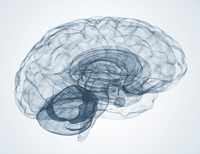 The increased interest in behaviour at work is because we’re learning much more about what’s happening in the brain. Advances in imaging techniques over the last 10-15 years have allowed greater insight into how the brain behaves. Previously, much of what was known was deduced from the evidence when things went wrong: if someone suffered a brain injury, conclusions were drawn about what an area of the brain was responsible for based on what was then different for that person, in their abilities or their behaviour What we’re learning now is a much more accurate view of the function of different areas of the brain and how they may be stimulated.
For some time, it has been known that the brain is not fixed. Plasticity means that the brain continues to develop and change. Through working with stroke patients we know that it’s possible to regain capabilities that may be lost through stroke, the use of the right arm, for example, through physiotherapy. What’s happening then is not that the brain is mending the part that has been damaged by stroke, but rather that it’s finding a different way for the signal ‘move my right arm’ to get through to part of the brain that can make that happen. New pathways develop through sustained practice.
We’re also learning that in this way it’s possible for habits and behaviours to be re-trained. What positive psychology and neuropsychology
show is that we’re not stuck with what we’ve got. ‘It’s just how I am’ is not a valid explanation, rather an excuse to continue in that way.
The good news for all of us – particularly those Carol Dweck calls ‘growth mindset people’1 , or those who would prefer to be – is that there are ways to set about making these changes. This is excellent news in terms of our own development, happiness and wellbeing, and also for our organisations, the way we work in themand how we can influence behavioural change in others. The retreat will examine this in much more detail. We will hear from both public and private sector organisations about their own experience of inducing individual behaviour change which include
EDF energy, HMRC, Guys and St Thomas’s, and Fujitsu.
New venue
You may have noticed that we have chosen a new location for this year’s retreat: Hendon Hall, a delightful venue which offers us exclusive, dedicated space. The new location should make it easier for people to get to, both by car and public transport.
Footnote
1 Dweck, C. S. (2006). Mindset: The new psychology of success. New York: Random House.