
Intergenerational differences: a workplace reality
HR Network News piece on the 2016 Annual provocation and fellows event on intergenerational differences.
Since our last newsletter, we have hosted several HR Network events and workshops, including our annual conference offering ‘a fresh look at work and wellbeing’ and our annual provocation which considered intergenerational differences.
This year the provocation adopted an ‘intergenerational differences’ theme.
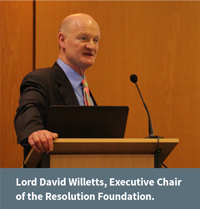
Lord David Willetts, Executive Chair of the Resolution Foundation, offered a fascinating talk on ‘Fairness between the generations’ for the Honorary Fellows’ keynote presentation. Some take-away insights included how the welfare state combined with intergenerational differences has rendered some generations overall beneficiaries whilst others have, or more likely will be, overall payers-in to the system. His presentation also covered the changing family landscape throughout the past century, and how this impacts social mobility. Lord Willetts believes that generational thinking has not entered into the public framework or discussion and he hopes that his work with the Intergenerational Commission will change this.
The Fellows’ event having offered detailed metrics comparing Generation Y with the baby-boomers and Generation X, the provocation moved on to offer an employer perspective, alongside current academic research. These two views were offered by Natalie Greenwell, HRD Corporate Functions at Network Rail, and Professor Emma Parry, Professor of HRM at Cranfield University School of Management. Despite the ‘provocative’ nature of both presentations, the two guest speakers tended to agree on many of their points whilst approaching the topic from different angles. The engaging discussion which followed their two talks covered a wide range of employer and academic perspectives, including topics such as the value of segmenting the workforce into generations; recruitment of different generations; union membership throughout the generations; and whether younger generations valued ratings-based approaches to performance management.
Throughout both events, delegates actively engaged in discussion with our speakers to shape the debate and offer insights from their own organisations and experiences. These contributions are incredibly valuable to IES events and we hope that you will return to participate in next year‘s busy calendar, which covers an array of current employer and HR topics.