
The 2013 Provocation: Creating the Organisation of your Dreams
Our provocateur this year was the author, academic, HR practitioner and consultant: Professor Gareth Jones from IE Business School Madrid and London Business School. In a wide-ranging discussion, Gareth elucidated on some of the latest work and thinking developed with his co-author and colleague, Rob Goffee. Gareth and Rob have collaborated for many years now, taking a distinctly sociological perspective on the world of work and particularly on attitudes and approaches to leadership and organisational culture.
Penny Tamkin, Associate Director
 Download this report as a pdf
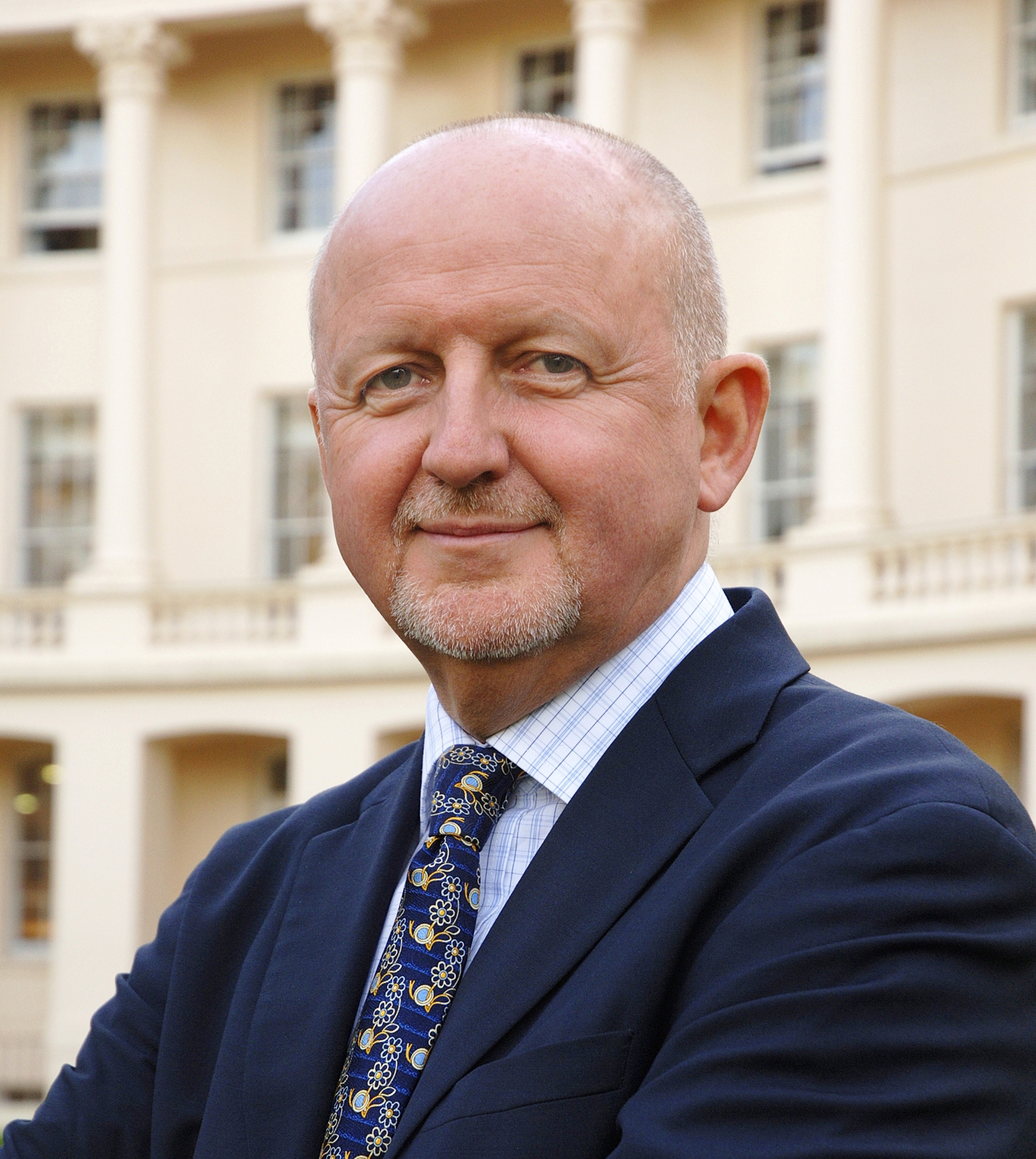
Our provocateur this year was the author, academic, HR practitioner and consultant: Professor Gareth Jones from IE Business School Madrid and London Business School.
In a wide-ranging discussion, Gareth elucidated on some of the latest work and thinking developed with his co-author and colleague, Rob Goffee. Gareth and Rob have collaborated for many years now, taking a distinctly sociological perspective on the world of work and particularly on attitudes and approaches to leadership and organisational culture.
 Their work on leadership was published in a book and HBS article; ‘Why Should Anyone Be Led by You?’ which explored the importance of authenticity and concluded that effective leaders should ‘be yourself, more, with skill’. The key element here is ‘with skill’ as being yourself may not be enough. In response to a question from the audience, he asserted that leaders can be taught to improve these skills and, in his and Rob’s experience, the key skills of leaders were the ability to ‘situation sense’ (i.e. read context); the ability to take symbolic actions to change things; the effective use of social intimacy and distance; and compelling communication.
In their discussions with leaders, Gareth and Rob heard that being an authentic leader, whilst embedded in an inauthentic organisation, is impossibly difficult, which has sparked further exploration of what it would take to be authentic.
The result is to describe what an authentic organisation would look like; the organisation of our DREAMS:
- Difference beyond diversity; diversity is vital for innovation and creativity but this is rather more than the traditional diversity categories that organisations record and monitor. It is a characterised by a culture that embraces, fosters and values cultural difference in all its manifestations and forms. To do this organisations need to free people from the unnecessary rules and processes that create similarity. Gareth tongue in cheek suggested closing down the Department of Rules (the HR Department) or at the very least, taking a long hard look. Three things are necessary for diversity: role models, a talent pool, and a pipeline.
- Radical Honesty; in a world of intense communication and social networking, organisations should tell the truth before someone else does. This means giving information to people instead of keeping things back, stopping the sanitation of bad news, and keeping close to those way down the organisational hierarchy.
- Extra Value; authentic organisations seek to add value to people and products. They allow individuals to grow by developing them, not merely for the task in hand, but for personal growth. Part of this search for extra value also places wisdom throughout and outside the organisation, seeking ideas, solutions and contributions from unlikely places. This is essentially about bringing clarity to the psychological contract.
- Authenticity; The Oxford English Dictionary definition of authenticity is ‘of undisputed origins’ and in organisational terms it means ensuring the organisation knows and reflects what it exists for, that leaders model the brand and the values, that the organisation and those that represent it have a strong sense of what they stand for and this underpins behaviour. This authenticity helps create the environment where people are likely to exceed role expectations.
- Meaning; Workers thrive when work is about more than making money – for self or for someone else. It means ensuring that those in an organisation can play a full role in the design and development of goods or services. There is an important place for HR here; ‘HR’s main driver ought to be creating great places to work where people can do outstanding things.’
- Simple Rules; rules are essential in organisations as they provide the structure within which people can make and create, but they need to be minimised and to make sense to those expected to abide by them. The best rules rest on a moral authority where their legitimacy is determined by the ends rather than the means.
None of this is easy and organisations may falter and struggle to achieve. Gareth has observed that that those organisations that have done particularly well are atypical in terms of ownership and makes the point that the powers of bureaucracy and shareholder capitalism are often arrayed against those striving to create better organisations. However, for those who want to make a difference and support better leadership there are many positive examples in their research to provide a role model for change.
Clearly there was much food for thought in Gareth’s presentation and our provocation audience raised a number of issues:
A pragmatic point was where on earth should an organisation start if there were many areas of weakness? Gareth replied that this inevitably depends on the business and an analysis of where you might best be able to make a difference and get some movement.
With so much to potentially gain from the approach that Gareth outlined, a key point was what makes organisations not do this? Gareth agreed that many organisations would aspire to being authentic but there are strong forces which push against them, including the self interest of capitalism and the rigidity of bureaucracy.
There was some debate on destructive leadership and its relationship with authenticity. There are those leaders who are true to themselves and yet enjoy being manipulative, playing with power etc. Gareth firmly acknowledges the existence of those leaders who are being themselves but without the critical skill element, and organisations need to recognise them and change or eradicate them. The benefit is the hugely positive impact effective leadership has on people.
A follow-up debate centred around the degree to which toxic leadership is much more prevalent in the public sector and the possibility that there is something about the public sector itself which stops people enacting good leadership. Gareth disagreed; he had seen poor examples in the private sector and good examples in the public . in every sector there are well]led units which outperform others and provide examples of good practice and prove it is possible to make a difference whatever the sector.
A point was made that some aspects of the model are more within the control of organisations – for example creating simple rules. Other aspects are less easy for an organisation to directly influence as they are also subject to the perceptions of employees; for example what gives meaning, what is understood by authenticity. Gareth acknowledged this complexity but didnft agree that the organisation cannot influence these softer aspects and create the conditions for employees to find meaning and experience authenticity.
You can read more about Gareth and Rob’s ideas in: ‘Creating the Best Workplace on Earth: what employees really Need to be at their Most Productive’, Rob Goffee and Gareth Jones, Harvard Business Review, May 2013.
 Find all the Provocation documentation here