
Featured

National Inclusion Week: can we build trust without agreeing?
Can organisations build trust and collaboration among people who do not share the same beliefs and values?
We publish blogs to provide insights from, and stimulate debate about, the latest research and thinking. Any views expressed are those of the author and not necessarily those of the Institute as a whole.
Featured
Can organisations build trust and collaboration among people who do not share the same beliefs and values?
Featured
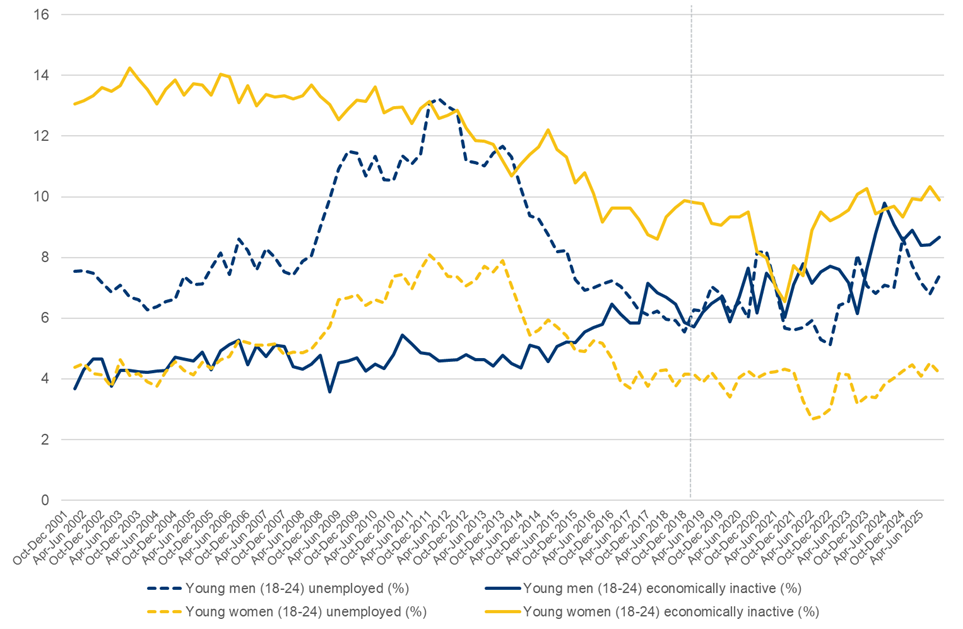
The UK labour market has remained flat with little movement in the headline employment, unemployment and inactivity rates over the last quarter.
IES analysis of this month's Labour Market Statistics, published December 17th 2024.
As we approach year-end, some twenty years after publishing his first book on taking ‘Reward Strategies: from intent to impact’, IES Associate Duncan Brown assesses the state of reward strategy and total rewards packages today, and what’s needed in the 2020s.
Jan Northcroft explores the issue of afro hair discrimination, how it manifests in the workplace, and how addressing this DEI blind spot will enable employers to create more inclusive workspaces, as well as attract and retain more diverse talent.
Nick Litsardopoulos explores how recent developments in digital technologies have impacted on both jobs and the job market.
Jonny Gifford reflects on IES’ latest research into the links between job quality and health in the UK.
Nick Litsardopoulos takes an in depth look into recent political turbulence, technological change and legislation relating to employment, and how these, among other factors, have had an impact on the current UK labour market.
With the White Paper just published, Becci Newton considers the new government plans to reform the employment support system and 'Get Britain Working'.
Dr Zofia Bajorek summarises the findings from IES and Working With Cancer's recent research into how cancer patients returning to work are currently supported, and best policies and practice moving forward.
IES analysis of this month's Labour Market Statistics, from the Office of National Statistics.
In this guest blog post, Professor Tristram Hooley reflects on the main findings from research into career guidance practitioners’ attitudes to construction and explores what the implications might be for careers practice.