
Featured

National Inclusion Week: can we build trust without agreeing?
Can organisations build trust and collaboration among people who do not share the same beliefs and values?
We publish blogs to provide insights from, and stimulate debate about, the latest research and thinking. Any views expressed are those of the author and not necessarily those of the Institute as a whole.
Featured
Can organisations build trust and collaboration among people who do not share the same beliefs and values?
Featured
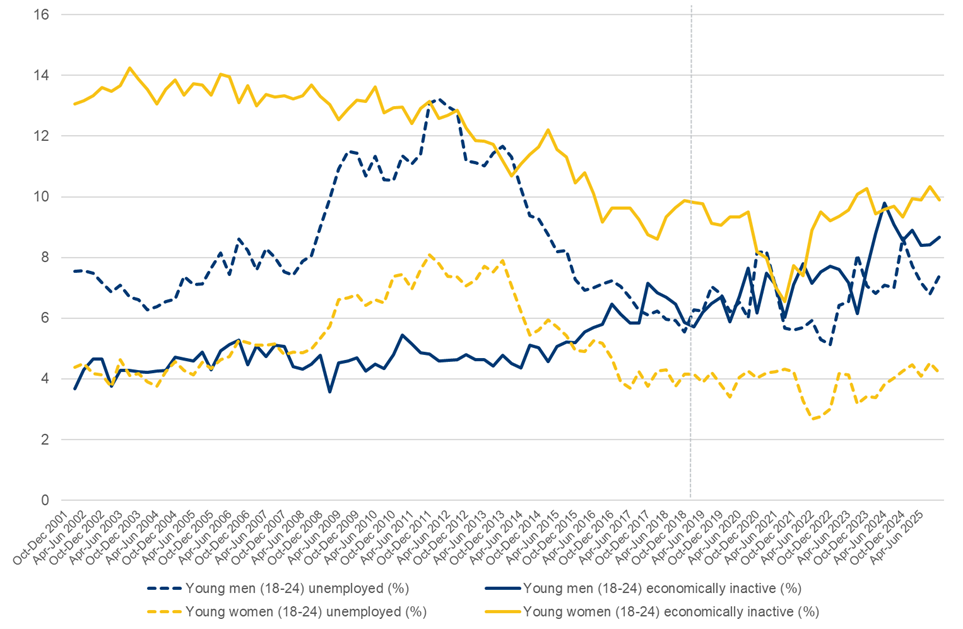
The UK labour market has remained flat with little movement in the headline employment, unemployment and inactivity rates over the last quarter.
Joseph Cook and Cristiana Orlando reflect on just-published IES research for the Youth Futures Foundation, considering the ongoing business advantages for UK organisations investing in EDI initiatives and the drivers and enablers that motivate employers to sustain such investments.
IES analysis of this month's Labour Market Statistics, published June 10th 2025.
Sally Wilson takes an in-depth look at the previous 'Fit for Work' government policy, what has been learnt, and how these findings can help to inform future policies designed to support employees with health conditions to stay in work.
In support of the national Carers Week initiative, Alison Carter and Arundhati Dave reflect on recent IES research that considers what works best in helping people with caring responsibilities to enter, or return to the labour market - and stay in work.
With the UK government proposing to close overseas recruitment for health and social care workers, Seemanti Ghosh explores what this means for the UK’s care sector, and whether the labour market is prepared to absorb these changes without deepening existing workforce shortages.
Billy Campbell reflects on the evaluation of London Multiply, the positive impact it has had on improving the numeracy skills of adults from generally underserved communities in London, and the wider reaching benefits of the programme.
Nick Litsardopoulos explores the current challenges facing the teaching profession including the factors contributing to increasing numbers of vacancies, regional variations, the impact on education, and what needs to change.
Dan Lucy reflects on recent IES Strategic Workforce Planning research and offers insights and practical guidance on how to broker a more forward-looking approach to planning the shape of the workforce, and reaping all the potential benefits it can bring.
Harry Fox reflects on recent research into the partnerships between employability services and local stakeholders, the factors that lead to strong relationships, and how the findings can be applied in other contexts.
Meghna Sharma explores the contributing factors behind the continuing gender pay gap, including cultural bias around the value of different skills, government wage policies, and the variation between male and female dominated industries.